Showing posts with label HomeOwnerTips. Show all posts

Wednesday, October 23, 2024

First Time Home Buyer

FIRST TIME HOME BUYERS

Dear Home Buyer,


Re: Your guide to buying a home in Nevada

Thank you for the opportunity to help you with the most significant and largest purchase of your life.

We have helped many buyers, just like you, and yet the importance of this transaction to you is not lost on us. We know it’s exciting and scary at the same time. Don’t worry, we are here to guide you and help you every step of the way. We have the experience, the local knowledge and the interest to help you make the best possible home purchase and decisions.

A home is about how you feel when you walk through the front door. The way you can instantly envision your life unfolding there. It’s about more than real estate. It's about your life and your dreams.

We love matching you with the home you have always imagined. It's incredibly fulfilling to know we are helping you open a new chapter of your life. That's why we work so hard to not only find that perfect home, but also to handle every single detail of the purchase process from negotiating the terms of sale to sharing our considerable resources including good lenders, inspectors and so on.

This package contains helpful information for the home buying process. We’ve prepared it just for you!

Review this information packet prior to our meeting so we can spend quality time focusing on you and your new home when we meet.

We appreciate the opportunity to earn your business.

Sincerely,

Marilyn Dash

REALTOR ®


Marilyn Dash   **   415-999-9087   **   mdash.nvre@gmail.com ** https://marilyndash.realscout.me/

Monday, October 26, 2020

Do you know? What Is a Seller's Market?


What Is a Seller's Market?

Whether you’re buying or selling a home, it’s important to know if the market is in your favor. Knowing the difference could mean how much you make—or spend—when it comes to home-ownership.

So, what is a seller's market? While a buyer’s market is great for those who are looking to buy a home, it’s not always good for sellers. If you’re considering selling your home, try to make sure you know what a seller’s market is, how to know if you’re in it and what to do if you aren’t.

How a seller’s market works

A seller’s market refers to more buyers looking for homes than available homes for sale. Demand outweighs supply, which can drive up the price of a home that’s for sale—especially if many buyers are interested in one property.

If you’re selling your home, being in a seller’s market means you could stand to see the price of your home increase. You may have many potential buyers looking to buy your home, and that could mean it goes to the highest offer.

This isn’t a great deal for buyers. Fewer homes for sale means the cost of the houses that are on the market could go up. If you don’t have the extra cash to afford a home at a higher cost, you could miss out on buying a home you like and can afford.

For home sellers, being in a seller’s market is good for your bank account. The higher the demand for your home, the more you’ll be able to earn from the sale of your home.

Seller’s market vs. buyer’s market

If you’re buying a home, a seller’s market won’t be good for you. If you’re selling a home, a buyer’s market isn’t your friend. Here’s the difference between a seller’s market and a buyer’s market:


Seller’s market: pros and cons

Pros of a seller’s market

  • Quick sale: In a seller’s market, your home won’t stay on the market for long. Expect a speedy sale for buyers who want your property.
  • High-price sale: Whether you bought your home for a lot or a little, a seller’s market means you can sell your home above market value, and possibly for much more than you paid for it.

Cons of a seller’s market

  • Restricted access: If you’re renting or looking to buy a home, you may end up renting your current space for longer. A seller’s market is sometimes referred to as a renter’s market since it might force potential buyers to stay where they’re at longer.
  • No haggling for buyers: For potential home-buyers, don’t expect to pay what you’d like. Instead, you’ll need to be prepared to bid higher than others for a home.

Buyer’s market: pros and cons

Pros of a buyer’s market

  • Negotiating power: For buyers, you have the chance to buy a home for much less than the asking price. Good news for potential home-buyers who wouldn’t otherwise be able to afford to buy a home.
  • Plenty of options: If one home doesn’t work out, or needs more work than you can manage, you can browse through other homes on the market, since supply outweighs demand.

Cons of a buyer’s market

  • Long market stay: For sellers, you might have your home on the market for much longer than you were expecting. This could hurt your finances if you’ve already bought another home and have to pay two mortgages at once.
  • Low final price: For sellers, you might end up selling your home for much less than you expected. This could crush what you potentially earn on the home and you might even sell for less than what you owe.


How to try and take advantage of a seller’s market

For sellers who want to earn the most, you’ll need to act soon. Once enough homeowners catch on to a seller’s market, it means it could get saturated fast. Here are some things you can do that may be able to help.

  1. Clean your home. More than sweeping and mopping, you’ll want to have your home squeaky clean for photos and open houses. And don't forget to declutter! You want the house to look inviting and ready to take on the new owners. 
  2. Finish projects. Complete paint touch-up or little repairs before your home goes on the market. 
  3. Hire a Realtor. An experienced Realtor - like me - will know your neighborhood enough to not only help you sell, but at a price you’re happy with. I’ll be able to research comparable homes to see what you’re up against and advise you if your home needs any maintenance or upkeep before listing it for sale. 
  4. List for slightly below market value. In a seller’s market, the demand is high. If you get in early and lower than other homes in the area, you could have many offers on your home. This can cause the price to go up much higher than if you were to originally list it higher.
  5. Don’t wait too long. The faster you can sell your home, the more money you stand to make in a seller’s market. If you wait too long to handle home improvements or stage your home for photos, you might miss the seller’s market. When enough homes go on the market, the supply and demand shifts, becoming a buyer’s market.

How to buy a home in a seller’s market

If you’re on the hunt for a home, you might not be in the best position to buy when it’s a seller’s market. But there are some things you can do to try and prepare yourself for it.

  1. Be patient. You’re going up against many buyers at once—sometimes for the same house. Don’t feel you need to buy the first (or second, or third) house you see. Acting too fast might mean paying more for a house you can afford or finding major home problems later on that you didn’t notice at first.
  2. Be prepared to pay more. If you have the wiggle room in your budget, you can expect to use it in a seller’s market. You might need to increase your down payment, get a conventional loan or in some cases, pay in cash.
  3. Be prepared to wait it out. If you’ve been saving your money, paying off debt and building up your credit score, you may finally be ready to buy a home. But if it’s a seller’s market, you might not be able to afford it after all. Don’t be afraid to wait a little longer—it could be the difference in buying a home you can afford versus over-paying.

Bottom line

While a buyer’s market is great for potential homeowners, it’s not good for current homeowners who are looking to sell their homes. Luckily, the market can shift and go from a buyer’s market to a seller’s market faster than you think. But keep in mind, it can also shift back just as fast.

For sellers, if you can - wait until the market is in your favor to list your home. The best time to sell is when you’re set to earn more than you paid and more than market value. If you can stay put for a while, you should.

Disclaimer: The above is solely intended for informational purposes and in no way constitutes legal or real estate advice or specific recommendations.


Tuesday, September 8, 2020

TURNING A BEDROOM INTO A LUXURY BEDROOM

For most of us, our bedroom is little more than a place to sleep and relax. However, just because it’s always been that way doesn’t mean that we have to settle for drab and dreary.

One trend that’s gaining steam these days is converting your current bedroom into a luxury suite (or something comparable). If you want to live like you’re renting a room at the Ritz, then you want to follow these tips.

Compartmentalize Your Activities Making your bedroom more functional is going to make it more luxurious. Add a gorgeous desk for working and a TV area for entertainment, and you’ll be living it up in no time.

Make it Chic Choose a color palette that is both luxurious and classy. Silver and gold can seem tacky, so choose muted shades that compliment each other.

Also, a brilliant and commanding headboard can instantly upgrade the look of your room without any other changes.

Light it Properly Finally, make sure that you have the right light to show off your designs. If it’s too washed out or yellow, then it will look drab and run down. Switch to brilliant LEDs and see the difference.

Choose Your Accents Wisely We already mentioned a headboard, but some elegant drapes can also make your room feel more royal. Being strategic with your furniture accessories is going to both keep you under budget and avoid doing too much with the space.

Are you ready to lux your bedroom? You’ll be impressed by the results, and the feeling of decadence will make you more confident in your surroundings.


Monday, August 24, 2020

THE DIRTIEST ITEMS IN THE HOME AND HOW TO CLEAN THEM


Of course, one of the dirtiest objects in anyone’s home is the toilet. But, that’s not the only place where dirt and germs accumulate. Here are five other dirty places and suggestions for cleaning them.

  1. Bath Towels - When you and your family dry off from your shower, your bath towel absorbs the water from your body. Then it sits all day breeding bacteria that thrive in warm, moist areas. Combat this issue by changing your bath towels out every two days and washing your dirty towels in hot water to kill anything living on them.
  2. Shower Curtain - Shower curtains easily pick up bacteria the same way bath towels do. They also attract germs from the toilet if they are near each other. Clean your shower curtain by spraying it down with a bleach-based product. Spray the rings and rod, too. Also, when the shower curtain is beyond cleaning, replace it.
  3. Doorknobs - Entryway and bathroom doorknobs are exposed to myriad germs daily. Thankfully, doorknobs are easy to clean. Wipe them down with antibacterial wipes regularly. Especially now, in the days of Covid. 
  4. Window/Door Tracks - Window and door tracks are harbingers of dust and dirt. The grime that builds up can make you and your family ill. You can easily clean these areas by vacuuming out large pieces of debris and then spraying the stuck-on dirt with water, letting it loosen up and wiping it with a damp cloth.
  5. Toothbrush Holders - Your toothbrush holder is likely teeming with germs and bacteria. Wash it with hot soapy water twice a week. If you can, run it through the dishwasher to ensure it gets clean and sterilized. You change your toothbrush monthly - shouldn't you also worry about your toothbrush holder? 

Friday, July 10, 2020

SHORT SALE AND FORECLOSURE: HOW ARE THEY DIFFERENT?

As unfortunate as it can be when homeowners fall behind on mortgage payments and must face the possibility of losing their homes, short sales and foreclosures provide them options for moving on financially. The terms are often used interchangeably, but they’re actually quite different, with varying timelines and financial impact on the homeowner. 

Here’s a brief overview.
A short sale comes into play when a homeowner needs to sell their home but the home is worth less than the remaining balance that they owe. The lender can allow the homeowner to sell the home for less than the amount owed, freeing the homeowner from the financial predicament.
On the buyer side, short sales typically take three to four months to complete and many of the closing and repair costs are shifted from the seller to the lender.

On the other hand, a foreclosure occurs when a homeowner can no longer make payments on their home so the bank begins the process of repossessing it. A foreclosure usually moves much faster than a short sale and is more financially damaging to the homeowner.
After foreclosure the bank can sell the home in a foreclosure auction. For buyers, foreclosures are riskier than short sales, because homes are often bought sight unseen, with no inspection or warranty.


Wednesday, July 8, 2020

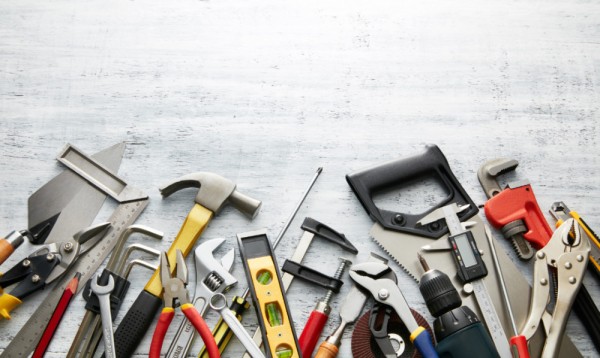
MUST-HAVE TOOLS FOR HOMEOWNERS

When you own your home, things are going to break and, unless you want to spend your money on visits from a neighborhood handyman, you’re going to need to fix them yourself. Luckily, you don’t need an arsenal of tools to handle most home maintenance fixes. These tools will cover most of your basic projects and help you keep your lights on. 
  1. Cordless drill. A cordless drill is a must-have for installing cabinets, drawer pulls, hinges, picture frames, shelves and hooks, and more. Whether it’s for do-it-yourself projects or repairs, you’ll use your cordless drill just about every month.
  2. Drain cleaners. Shower and bathroom sink drains are susceptible to clogs because of the daily buildup of hair, whisker clippings, etc. You can use chemical clog removers like Drano, but they’re expensive and the lingering chemical scent is unpleasant. Instead, buy some plastic drain cleaners that can reach into the drain to pull out the clog of hair and gunk. You can purchase them on Amazon or at a local hardware store for a low price.
  3. Shop-vac. No matter how careful you are, spills and accidents will happen and there are some tasks that just can’t be handled with paper towels or a standard vacuum, like pet messes or broken glass. Our Wet/Dry Vac is used frequently. 
  4. Flashlight. You’re going to want something a little more powerful than your cellphone flashlight when you’re in the crawlspace! We have a dozen of them, I'm sure! 
  5. Plunger. You should have a plunger in each bathroom, just in case. Make them available for people to use, but hidden away enough to not be a centerpiece. 
  6. Hammer. How else are you going to get those pictures finally hung on those walls! 
  7. Selection of screwdrivers and wrenches. Flat head, Phillips, Monkey, Adjustable, Hex Key and Allen Wrench sets are all important. Look for a good selection or a kit with multiple sizes. 
  8. Tape Measure. Again, we have a bunch of them and use them all the time. How to make sure the TV is in the middle of the wall, will the sofa fit in this corner, can we get a larger dining room table? 
  9. Ladders. A selection of ladders is a great idea. A small footstool to get things off the top shelf in the kitchen/pantry. How about a outdoor ladder helps you hang those holiday lights. And don't forget that smoke detector in the top corner of the hallway? You'll need a ladder to get up there to change those batteries, usually in the middle of the night when you wake up to the beeping. 
  10. Extension Cords. We have outdoor cords and indoor cords. In fact, when we moved in, I already had a map for where all the furniture would go and then looked for electrical outlets where I would need them. I placed cords strategically and taped them with blue painters' tape to the wall beyond where the furniture would be. When the furniture was place, I was able to plug in that lamp without moving the bed. Planning! 
  11. Level. If you really want those pictures to be level on your walls, you'll need a level! 
  12. Batteries. We always have a collection of batteries in our house. We use so many AAs and AAAs I buy them in bulk and keep them with my toolbox. We will always have one for our remote controls, outdoor lanterns, and all other devices. 
  13. Lightbulbs. Not really a tool, but an essential part of your toolkit. A selection of lightbulbs which will fit all of your recessed lighting, vanity lights, flood lights, outdoor lights, indoor lamps - put together a box of lightbulbs and you'll never be in the dark. 
  14. Toolbox. Keep everything together in your toolbox.

Sunday, June 28, 2020

CREATE AN EVACUATION PLAN FOR YOUR PETS

An evacuation plan is a necessity for every home, especially if you live in an area where fires, earthquakes, hurricanes, flooding, and other disasters are a possibility. Many homeowners create evacuation plans for their homes and practice them with their kids, but far fewer have considered one for their pets. Take these steps to add your pets to your evacuation plan.
Assign pet evacuation to an adult. Everyone should know how to act during an evacuation, and that includes assigning one parent or adult to the pets. This allows the other parent and the children to focus on their part of the evacuation plan, so there’s no confusion during a high-stress moment when time is of the essence.
Keep evacuation maps and pet carriers readily accessible. If you need to evacuate, you should know exactly where every important item is. If you pets require carriers, keep them in a place that you can access easily.
Practice your plan. Include your pets in your home evacuation drills. It’ll help you see how they will respond and make changes to your plan if necessary. Getting your dog out of a window may not be as simple as you think!
Be prepared in case you get separated from your pets. No matter how much you drill your evacuation plan, it’s possible that a dog or cat will run off while you’re focusing on keeping your family safe. A microchip or a GPS-compatible tag can help you find your pets once it’s safe to return to the area.


Someone mentioned (Thanks, Shelly) that putting a sign in your window saying that you have PETS INSIDE to make sure rescuers know!


First Time Home Buyer

FIRST TIME HOME BUYERS Dear Home Buyer, Re: Your guide to buying a home in Nevada Thank you for the opportunity to help you with the most si...